Tree Service in Westmoreland and Northeast Sumner County
Tree service in Westmoreland means work at the top of Sumner County, close to the Kentucky line. The city covers about 4.34 square miles at roughly 925 feet, the highest of the four towns on this site, and counted 2,206 residents in 2010 and 2,718 in 2020. It was chartered and incorporated in 1901. North of the ridge that crosses the county, streams such as the forks of North Drakes Creek run northwest toward the Barren River in Kentucky rather than south to the Cumberland, a reminder that the ground here belongs to the Rim.
Electricity comes from Tri-County Electric Membership Corporation, which the city's own services page lists for power and which keeps an office in Westmoreland. The cooperative switched on its first 85 miles of line on Christmas Eve 1937 and now serves parts of seven Tennessee counties, Sumner among them, and four in Kentucky. Its vegetation program trims on a cycle of three to five years, and its vegetation page says trees and other vegetation cause 8 to 10 percent of all power outages. Its rules for yards under its lines are stricter than many owners expect.
free quotes, fast response, local pros.
Free quote
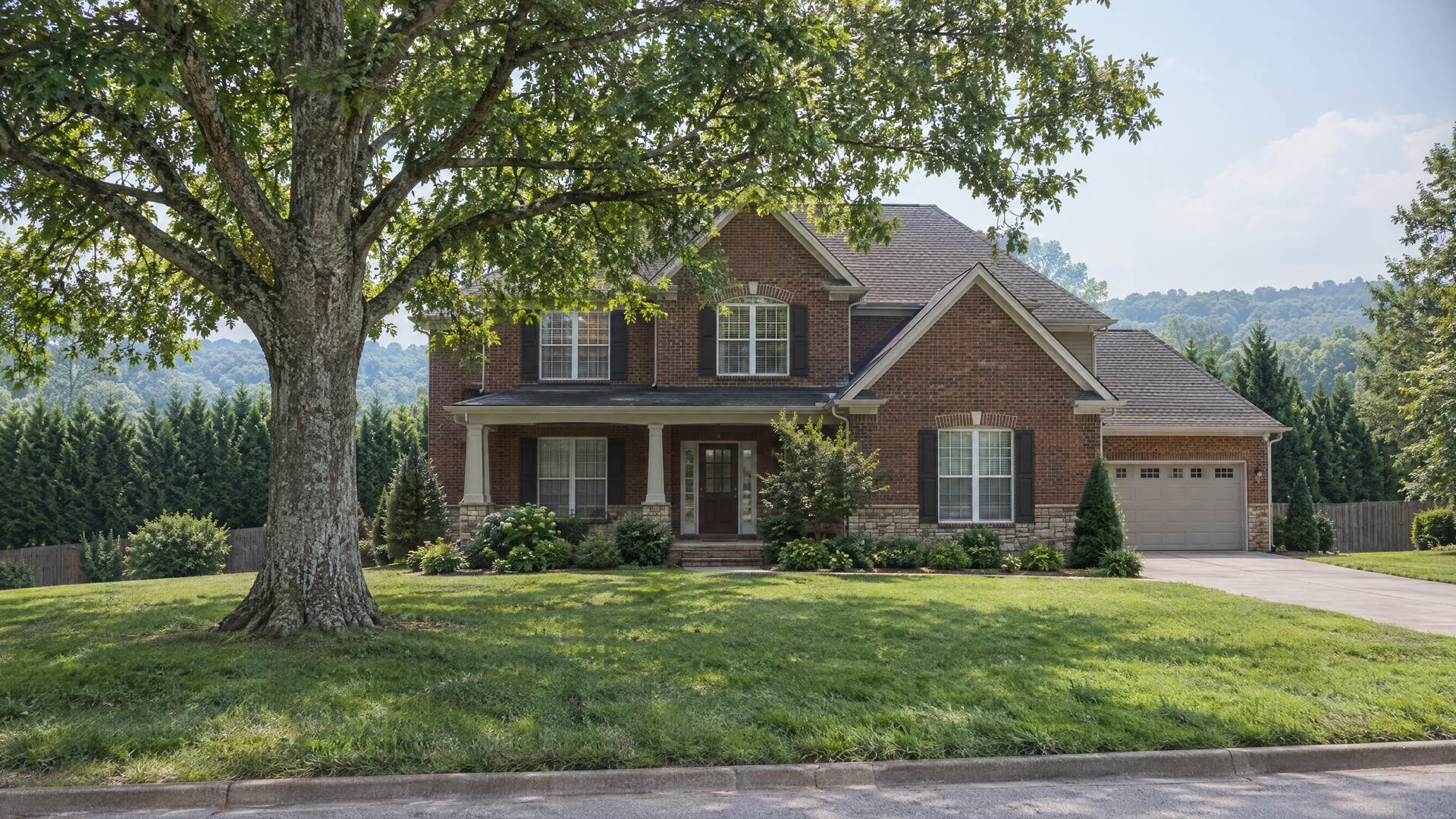
Westmoreland under Tri-County Electric's lines, and brush outside town
Tri-County's published clearances are specific. It keeps 15 feet on each side of distribution lines and 50 feet on each side of transmission lines. Where members maintain the ground themselves, it asks for 15 feet of horizontal and 10 feet of vertical clearance from energized lines, no woody-stemmed plants within 20 feet of a utility pole, and six feet between any shrub, tree or fence and a pad-mount transformer, with nothing at all within 10 feet of the transformer's door side. Dogwood is the only tree it approves for planting in a line right-of-way, which rules out most shade trees along a road frontage.
Brush handling depends on where the lot sits. Inside the city, the public works department runs streets, water, trash, parks and sewer collection, and its page does not publish brush rules, so ask before setting a crew's debris at the curb. Outside town on a county road, the Sumner County Highway Department offers free brush pickup twice a year, in spring and fall, for residents who stack it at the road's edge and call in a work order, and its vegetation policy lets it trim or remove trees in the county right-of-way. For larger ground, the land clearing page covers mulching and burning.
See Westmoreland, TN on Google Maps — we cover the whole area from Gallatin.
Tree Service Services Available in Westmoreland
Tree jobs an owner in Westmoreland can request through this site:
See the full pricing guide for typical ranges.
Westmoreland FAQs
Can a tree be planted under a Tri-County Electric line near Westmoreland?
Only a dogwood. Tri-County Electric's vegetation page names dogwood as the only approved tree for planting in its line rights-of-way and asks members to keep woody-stemmed plants at least 20 feet from utility poles. The cooperative's crews trim every three to five years, so anything larger under the wires will be cut back on that cycle. A shade tree belongs well outside the right-of-way, placed with its mature height and spread in mind, as the Gallatin electric department's planting advice also puts it.
Does Tri-County Electric keep branches off the service line to a house?
Its vegetation page lists clearance around secondary service lines among the areas the utility maintains: 10 feet around open secondary lines and 6 feet around insulated ones. That differs from the Gallatin Department of Electricity, which leaves service wires to the property owner. Anyone else working near those lines has to stay 10 feet away under ANSI Z133 unless trained for line clearance, so call the cooperative before a crew works near the house connection.
What kind of ground do Westmoreland trees grow in?
Upland Rim soil rather than the thin clay over limestone around Gallatin. Series such as Mountview, which the USDA places on the Highland Rim, formed in two to three feet of silt over limestone residuum, and their native woods were chiefly oak, hickory, gum and maple. Below that, the Rim's Mississippian limestones weather deeply, and the USGS describes weathering profiles in parts of the Rim more than 6 meters thick. For a stump grinder, that usually means silt and clay rather than rock.
Get Your Free Westmoreland Quote
Free quote